Introduction
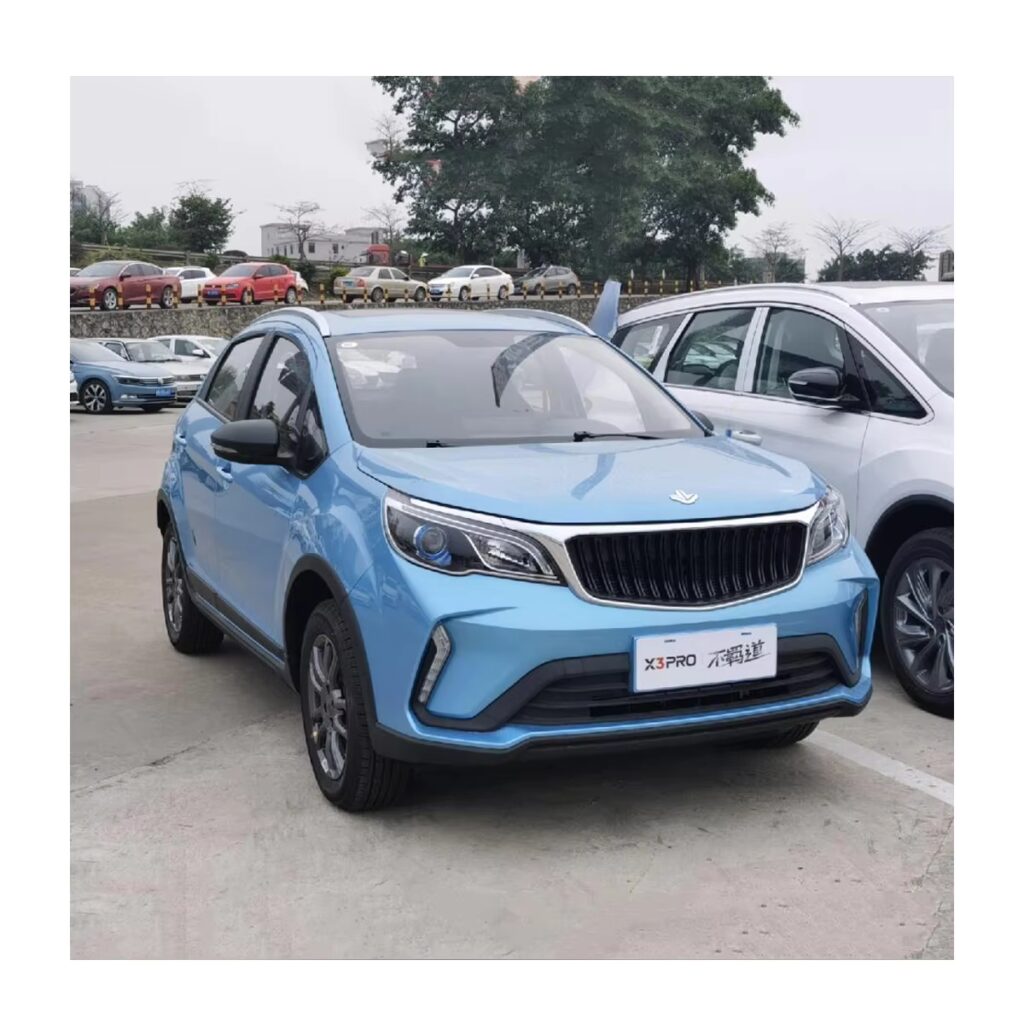
Buying a used Livan X3 Pro from China is one of the smartest moves an overseas importer can make right now. The value-for-money is real. But here’s the thing nobody talks about enough: what happens when the car arrives at your port and it’s not what you expected?
We’ve heard the stories. A car that looked perfect in photos arrives with a hidden accident repair. An engine that ran fine in the seller’s yard overheats within 500 km of arrival. A transmission that slips under load. These are not rare events — they happen to importers who skip proper pre-shipment inspection.
The good news? A thorough inspection before the car leaves China costs very little compared to what it saves. We’re talking about catching problems when they’re the seller’s problem, not yours.
This guide gives you the complete Livan X3 Pro buyer checklist 2026 — every point a professional inspector should cover before your car gets loaded onto a vessel. Whether you’re buying one car or a fleet of twenty, this is what stands between a great deal and an expensive mistake.
The 10-Point Professional Pre-Shipment Inspection Checklist
This is your core Livan X3 Pro pre-shipment checklist. Each point should be physically checked — not confirmed over photos or video calls. If a seller refuses any of these checks, that’s your first red flag.
-
VIN Verification and Document Check
Start here, every time. Confirm the VIN on the dashboard, door jamb, and engine bay all match the title documents. Check that the odometer reading on documents matches the physical cluster. In China’s used car market, VIN tampering and odometer fraud exist. This step takes five minutes and costs nothing.
Good: All VINs match. Documents are clean. Odometer consistent with wear patterns.
Bad: Any VIN mismatch. Document alterations. Odometer reading doesn’t match interior wear. -
Exterior Panel and Paint Inspection
Walk around the entire car in good natural light. Look for mismatched paint colors between panels, uneven panel gaps, overspray on rubber seals or trim, and ripples in body panels that suggest filler. Use a paint depth gauge if possible — readings above 200 microns indicate heavy filler work.
Good: Consistent paint depth, even gaps, clean seals.
Bad: Panel color variation, overspray lines, soft spots when pressed gently. -
Glass, Lights, and Seals Check
Inspect all glass for cracks, chips, or replacements (replacement glass often has different markings). Check headlights and taillights for moisture or condensation inside — this indicates seal failure that leads to expensive replacements in humid markets. Test all lights including indicators and reverse lights.
Good: Original glass markings, clear lenses, dry light housings.
Bad: Condensation inside headlights, cracked windscreen, aftermarket glass. -
Tyre and Wheel Inspection
Check tyre age (DOT code on sidewall — never accept tyres older than 5 years for export), tread depth (minimum 3mm for overseas use — your roads are harder on tyres than Chinese roads), and even wear patterns. Uneven wear tells a story about alignment, suspension, or long-term abuse.
Good: Tyres under 4 years old, 4mm+ tread, even wear across all four.
Bad: Cracked sidewalls, uneven wear, mismatched brands, tread under 3mm. -
Engine Bay Visual Inspection
Open the hood and look before starting the engine. Check for oil leaks around the valve cover, turbo lines, and oil pan. Look for coolant stains around the radiator cap and hoses. Check the condition of belts and hoses. A recently cleaned engine bay is not automatically a good sign — it can hide leaks.
Good: Clean but not suspiciously pressure-washed, no leak stains, intact hoses.
Bad: Fresh steam cleaning hiding old leaks, cracked hoses, missing covers. -
Cold Start and Warm-Up Test
This is one of the most revealing tests. Start the engine cold. Listen for ticking, knocking, or rattling in the first 30 seconds. Watch the exhaust — white smoke on cold start is normal briefly, blue smoke means burning oil, black smoke means fuel system issues. Let it warm up to operating temperature fully.
Good: Quiet startup, smooth idle, exhaust clears within 30 seconds.
Bad: Persistent ticking, blue or black smoke, rough idle, temperature gauge climbing high. -
Test Drive — At Least 15–20 Minutes
No exceptions. A test drive must include city stops, a short highway section, hard acceleration, and emergency braking. For the Livan X3 Pro inspection, specifically test the DCT or automatic gearbox for hesitation on low-speed engagement — this is the most common complaint on early units.
Good: Smooth gear changes, no vibration, straight braking, no warning lights triggered.
Bad: Transmission shudder below 20 km/h, pulling to one side under braking, ABS warning light. -
OBD-II Diagnostic Scan
Plug in a diagnostic scanner and pull all fault codes — current and historical. Cleared codes that came back, or a large number of cleared historical codes, tells you the car has had repeated problems. Pay special attention to transmission codes, engine management codes, and ABS/ESP faults.
Good: No stored or active fault codes.
Bad: Multiple stored codes, recently cleared codes, any transmission or ABS fault codes. -
Underbody and Frame Inspection
Get the car on a lift. This is non-negotiable for inspecting a Livan X3 Pro before shipping. Look at the chassis rails for bends, cracks, or weld repairs that indicate accident damage. Check the exhaust system, CV boots, shock absorber condition, and brake lines for corrosion or damage.
Good: Straight frame rails, intact CV boots, no exhaust rust-through, functional shocks.
Bad: Bent chassis rails, evidence of straightening, torn CV boots, leaking shock absorbers. -
Interior, Electricals, and Climate Control
Test every button, switch, and screen. In the Livan X3 Pro, the infotainment system, reverse camera, automatic windows, and climate control are all electronically integrated. A fault in the body control module can make multiple features fail simultaneously — and these repairs are expensive once the car is overseas.
Good: All functions work, screens are bright and responsive, AC cools strongly.
Bad: Dead buttons, reverse camera failure, AC that doesn’t reach target temperature, flickering screens.
Critical Red Flags That Should Make You Walk Away
Some problems are fixable and should be reflected in price. Others mean you should walk away entirely. Here are the absolute deal-breakers when you inspect a Livan X3 Pro before shipping:
- Any structural frame damage or weld repairs on chassis rails. This is a safety issue that cannot be properly repaired. Walk away, no exceptions.
- Mismatched VINs anywhere on the vehicle. This could mean the car has a hidden legal history — theft, write-off, or identity change. The legal risk alone is not worth it.
- Active transmission fault codes combined with shuddering during the test drive. DCT transmission repairs overseas are very expensive, and finding a qualified technician in many markets is difficult.
- Blue exhaust smoke after full warm-up. This means the engine is burning oil — either worn piston rings or valve stem seals. This problem gets worse over time and can lead to total engine failure.
- Odometer that doesn’t match the car’s condition. A car showing 60,000 km with heavily worn seat bolsters, a shiny steering wheel hub, and faded pedal rubbers has almost certainly been tampered with. Trust the wear, not the number.
- Multiple replaced panels on the same side of the car. One replaced door is common. Three replaced panels on the driver’s side means a serious accident. Check repair history if available — China now has online databases for registered used cars.
- Coolant that looks brown or milky. This signals contamination — either oil in the coolant (head gasket failure) or serious rust inside the cooling system. Either way, it’s expensive.
- A seller who refuses to allow OBD scanning or lifting the car. Honest sellers have nothing to hide. If someone won’t let you scan the car or put it on a lift, they know something you don’t.
Engine, Transmission & Electronics – What Most Importers Miss
This is where less experienced importers lose money. The exterior looks fine. The car drives okay in a short test. But these specific checks on the Livan X3 Pro’s mechanical systems catch problems that aren’t obvious until 5,000 km later.
1.5T Turbocharged Engine — Specific Checks
- Check turbo boost pressure during hard acceleration. A weak or failing turbo feels like a sudden loss of power above 3,000 RPM.
- Inspect the intercooler connections for oil residue — minor oil from the PCV system is normal, heavy oiling suggests turbo seal wear.
- Check the engine oil level and condition. Dark, thick oil that smells burned means infrequent oil changes. Request oil change history.
- Listen specifically for a “diesel-like” ticking at idle on a cold engine for more than 2 minutes — this can indicate timing chain stretch, which is a costly repair.
Transmission — The Most Common Issue
The 7-speed wet DCT (dual-clutch transmission) on the Livan X3 Pro is generally reliable when properly maintained. However, low-speed hesitation and occasional shudder between 10–30 km/h is a known characteristic on units with high city mileage. This is different from a fault — but if it’s severe, the clutch pack may need replacement. Confirm this during the low-speed test drive section.
Electronics — Don’t Skip This
The Livan X3 Pro has a well-specified infotainment and driver assistance system for its price point. But used units sometimes have software version issues or camera calibration problems after accidents. Make sure the lane departure warning and forward collision system are operational — these are standard on most export trims and should be verified.
Body, Frame & Underbody Inspection (Rust & Accident Damage)
This section is especially important for buyers shipping to coastal African ports, the Middle East, and humid Southeast Asian markets. Here’s what to look for:
Rust Assessment
Chinese-market vehicles are not built for the same corrosive environments as coastal West Africa or the Philippines. Surface rust on the underbody of a 3–5 year old vehicle from a humid Chinese region is common and manageable. Deep pitting rust on brake lines, frame rails, or suspension subframes is not. The difference matters enormously once the car is exposed to salty sea air during shipping and then operates in a coastal market.
- Surface rust on exhaust heat shields — acceptable
- Light surface rust on underbody floor pan — acceptable with treatment
- Deep rust on brake lines — replace before shipping
- Rust penetrating frame rails or suspension mounts — walk away
Accident Damage Assessment
Look for these physical signs of previous accident repair during the body inspection:
- Inconsistent shut lines (gaps between panels that are wider on one side than the other)
- Overspray on rubber door seals, window trim, or underbody coating
- Mismatched paint texture — original factory paint has a different texture than respray work under close inspection
- Bolts with scratched heads in engine bay strut towers — evidence of disassembly after a front impact
How Panda Used Cars Performs Pre-Shipment Inspection for You
We understand that most overseas buyers can’t fly to China to inspect a car personally. That’s exactly why Panda Used Cars built a systematic pre-shipment inspection process for every used Livan X3 Pro we export.
Here’s what we actually do — no marketing language, just the real process:
- Full VIN verification and document matching — we confirm title, VIN consistency, and check the car against China’s used vehicle registration database.
- OBD-II full system scan — every module, every stored fault code, current and historical. We share the full report with you.
- Cold start and full test drive — minimum 20 km including city and highway sections with a qualified technician.
- Lift inspection with photos — underbody, frame, suspension, brakes, and exhaust photographed and documented.
- Paint depth measurement — all major panels measured and documented so you know exactly what has been repaired.
- Full interior and electronics test — every function tested and recorded.
- Pre-shipping rust treatment — underbody coating applied before loading to protect against sea transit and destination climate.
You receive a complete inspection report with photos before the car ships. If we find a problem, we tell you honestly — and either fix it, adjust the price, or help you find a better unit. That’s the whole point.
Frequently Asked Questions (FAQ)
Q: Can I just rely on the seller’s photos and video for a used Livan X3 Pro inspection?
No. Photos can be selectively taken to hide panel damage, rust, and interior wear. Video calls can skip the underbody and OBD scan entirely. A professional physical inspection is the only reliable method. If a seller only offers photos, treat it as a starting point, not a confirmation.
Q: How much does a professional pre-shipment inspection cost in China?
A basic inspection from a local inspector typically costs $80–$150 USD. A comprehensive inspection including OBD scan, lift inspection, and paint measurement costs $150–$300 USD. This is one of the best-value investments you can make on a $10,000–$14,000 purchase.
Q: What is the most common problem found on used Livan X3 Pro exports?
Based on our experience, the most frequent issues found during pre-shipment inspection are: minor unreported accident repairs (most common), low-speed DCT hesitation from high city mileage, and climate control systems that need re-gassing. Serious mechanical problems are less common but do occur on higher-mileage units.
Q: Should I inspect a Livan X3 Pro differently for fleet use versus single-car purchase?
For fleet purchases, add a consistency check across all units — make sure all cars are the same trim level, same engine version, and ideally similar mileage ranges. Mixed fleets with different engine variants complicate parts stocking and driver training. The inspection checklist itself remains the same.
Q: How do I verify the real mileage on a used Livan X3 Pro from China?
Request a full service history document. Cross-reference the odometer with physical wear indicators — seat bolster condition, steering wheel texture, pedal rubber wear, and door handle area paint wear. An OBD scan can also reveal mileage stored in various modules that should match the dashboard. Inconsistencies are a strong warning sign.
Q: Is it worth paying for rust treatment before shipping?
Absolutely yes, especially for destinations in West Africa, Southeast Asia, or any coastal market. Pre-shipment underbody rust treatment costs $50–$100 and can extend the underbody life by several years. It’s significantly cheaper than dealing with rusted brake lines or suspension components after arrival.
Q: What documents should I receive with a properly inspected used Livan X3 Pro?
At minimum: original title (行驶证), VIN-matched export certificate, full OBD diagnostic report, inspection checklist with photos, and service history records. For peace of mind, request the paint depth measurement report as well. Panda Used Cars provides all of these as standard with every export.
Q: Can I use a third-party inspection company in China instead of the seller’s inspection?
Yes, and this is actually recommended for high-value purchases or fleet orders. Companies like CCIC (China Certification & Inspection Group) and several international automotive inspection services operate in China’s major used car markets. An independent third-party inspection gives you the most objective result.
Conclusion
The used Livan X3 Pro is a genuinely good vehicle for overseas markets. The value is real, the build quality is competitive, and the running costs make sense for fleet operators and importers working in Africa, Southeast Asia, the Middle East, and Latin America.
But the used car market in China — like every used car market in the world — contains vehicles that have been repaired, mistreated, or misrepresented. The only thing standing between you and an expensive problem is a thorough inspection before the car leaves Chinese soil.
Use this Livan X3 Pro buyer checklist 2026 as your standard. Don’t skip the OBD scan. Don’t skip the lift inspection. Don’t accept photos as a substitute for physical verification. And if you find problems, negotiate — or walk away. There are always more cars.
The importers who build successful, profitable businesses around Chinese vehicle exports are the ones who treat inspection as a non-negotiable part of the process — not an optional add-on to save a few hundred dollars.
Need a professional pre-shipment inspection before your Livan X3 Pro ships? Contact Panda Used Cars today.